
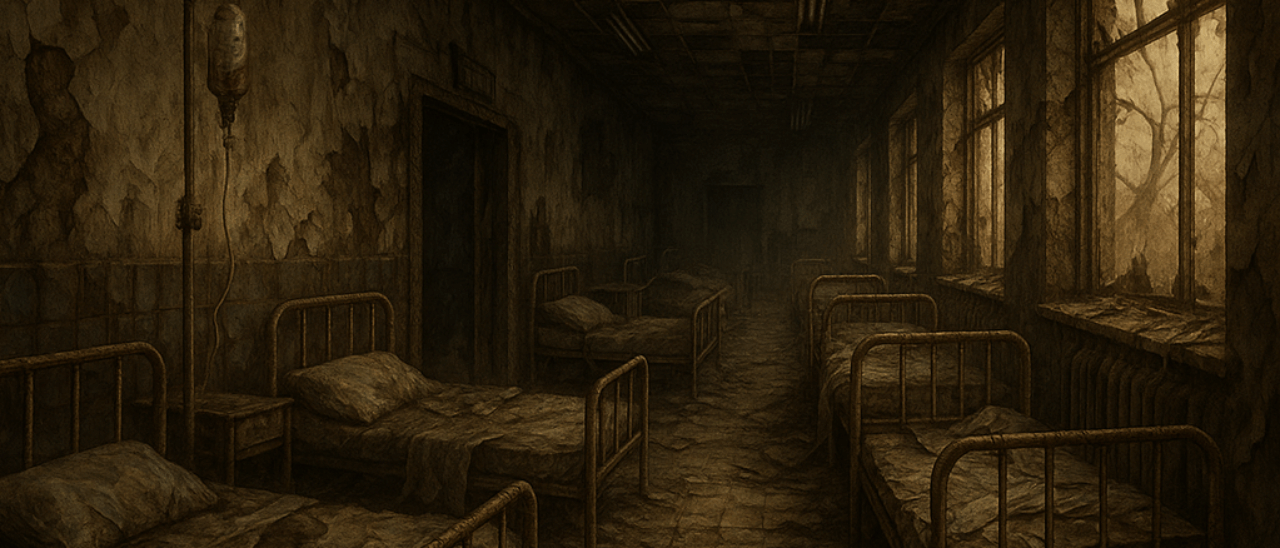

Damn writer’s block.
The weekend was kind of off for me. One of the things I’ve been doing lately—especially when I’m having a “bad day”—is throwing myself into some kind of project. Distraction therapy, I guess. The idea is that if I just push through something useful, it might shake loose whatever is rattling around in my head and help me feel a little more organized about what I’m dealing with.
And honestly, sometimes it works. Yesterday, for example, I didn’t feel all the doom and gloom when I finished the task. But here’s the catch: that kind of effort comes at a price. Thanks to the strokes, even a little bit of work is exhausting now. And if I have one real lament these days, it’s that—losing so much physical function. That’s been the hardest thing. It’s disheartening when your brain is revving to go, but your body can only take small bites out of the day. I’ve been told to slow down, take it easy, pace myself—but that’s easier said than done when lying down for hours is your only recovery strategy.
So I’ve been re-reading the stuff I wrote about change—the shift to being a nurse practitioner, and now, retirement. Each piece touches on different life stages, and I think I’m going to expand them. That’s slowed me down a bit. The NP post and the retirement reflection are still brewing because, well, the brain fog is real.
And since I wasn’t writing, I was doom-scrolling.
(Facebook. The land where productivity goes to die.)
I stumbled across a meme I’ve seen too many times, but it still hits:
“Trauma doesn’t make you stronger. It wreaks havoc on your nervous system. It punctures your digestive tract. It sticks you in a loop of hypervigilance. To suggest someone is stronger because of trauma is to dismiss what they had to do to survive. All trauma leaves are scars.”
And you know what? That’s the damn truth.
People love to say, “You’re stronger because of everything you’ve been through,” but that’s a lie we tell ourselves so we don’t have to sit with the discomfort. Let’s talk about scars for a second—from someone who dealt with literal ones for decades.
When the skin experiences trauma, it forms scar tissue. That new tissue may patch the wound, but it’s not stronger—it’s weaker. Less elastic. More prone to reinjury. It’s the body’s version of duct tape.
Mental trauma is no different. Even when we process it well, we’re still carrying it. The elasticity of our emotional responses gets compromised. The older we get—or the more scars we collect—the less bounce we have. The wrong word, a smell, a tone of voice, or some random Tuesday in June can drag you right back into the past.
People call these “triggers.” I have… *feelings* about that word.
It’s become a catch-all, diluted and meme-fied to the point where people claim PTSD from a rude barista or a hangnail.
Listen.
PTSD isn’t a joke. It’s not a buzzword. And it sure as hell isn’t a quirky personality trait. I’ve had it since the Gulf War—combat trauma and military sexual trauma. I wouldn’t wish that shit on anyone. There’s nothing empowering about reliving horrors because your brain won’t file them away.
But I also get it. Trauma is personal. What wrecks one person might barely register for someone else. There’s no trauma punch card where you earn a prize after every third incident. And nobody wins a trauma contest, even if you “have it worse.”
So if there’s a takeaway from today’s ramble, it’s this:
Respect other people’s trauma. Don’t compete. Don’t compare.
And don’t gaslight them with the myth that trauma somehow made them “stronger.”
It didn’t. It made them scarred. And they’re surviving *in spite of it,* not because of it.
Try to be the kind of person your dog and your mom hope you are.