
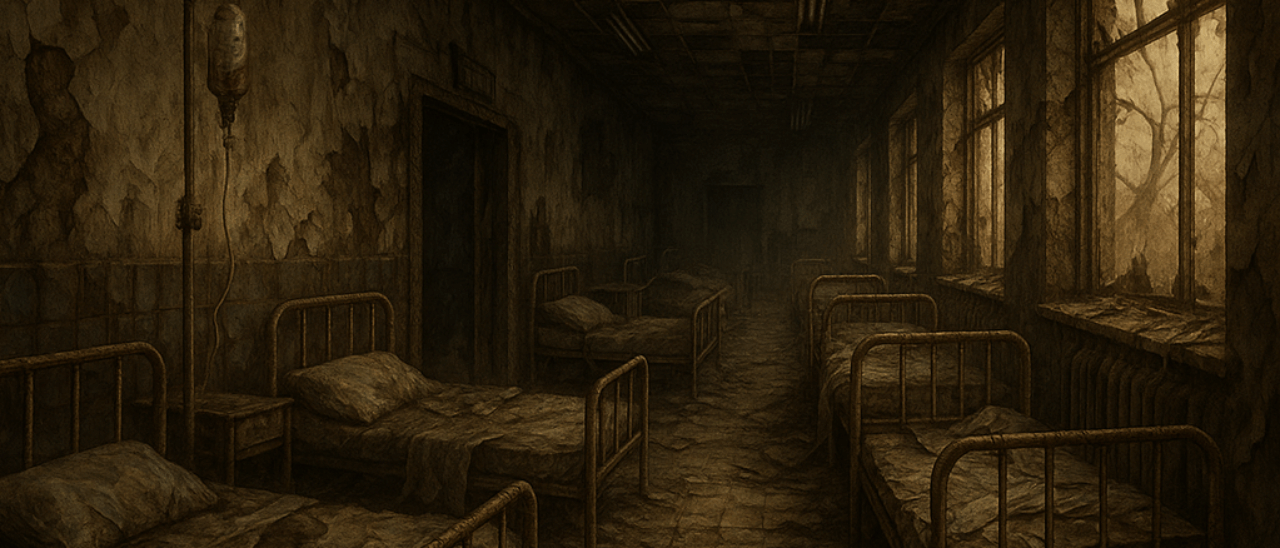
Part of the Scars of Service series

The abuse survives not in darkness, but in shared silence. ▌
There is a myth that military sexual trauma happens because of a few bad individuals.
A rogue soldier.
A bad officer.
Someone who “went too far.”
That explanation is comforting.
It is also wrong.
Military sexual trauma persists because systems protect themselves before they protect people.
Units worry about reputation.
Commanders worry about careers.
Institutions worry about headlines.
And survivors quickly learn something important.
Speaking up can cost you everything.
Your reputation.
Your friendships.
Your career.
Sometimes even your safety.
So silence becomes the survival strategy.
Not because survivors are weak.
But because they are rational.
The military often celebrates loyalty, discipline, and unit cohesion. Those values can be powerful strengths on the battlefield.
But inside a broken culture they can also become weapons.
When loyalty means protecting the unit at all costs.
When discipline means not asking questions.
When cohesion means anyone who disrupts the narrative becomes the problem.
That is how abuse survives.
Not in darkness.
But in shared silence.
Military sexual trauma is not just about what happened to someone in a moment.
It is about what happens afterward.
Who believes them.
Who protects them.
Who pretends nothing happened.
And sometimes the most painful part is realizing that the system designed to protect you was never built to protect you at all.
Until institutions become more afraid of failing survivors than they are of public embarrassment, the problem will continue.
Not because we lack laws.
Not because we lack investigations.
But because culture is harder to change than policy.
And silence is still the easiest option.
For everyone except the survivor.▌