
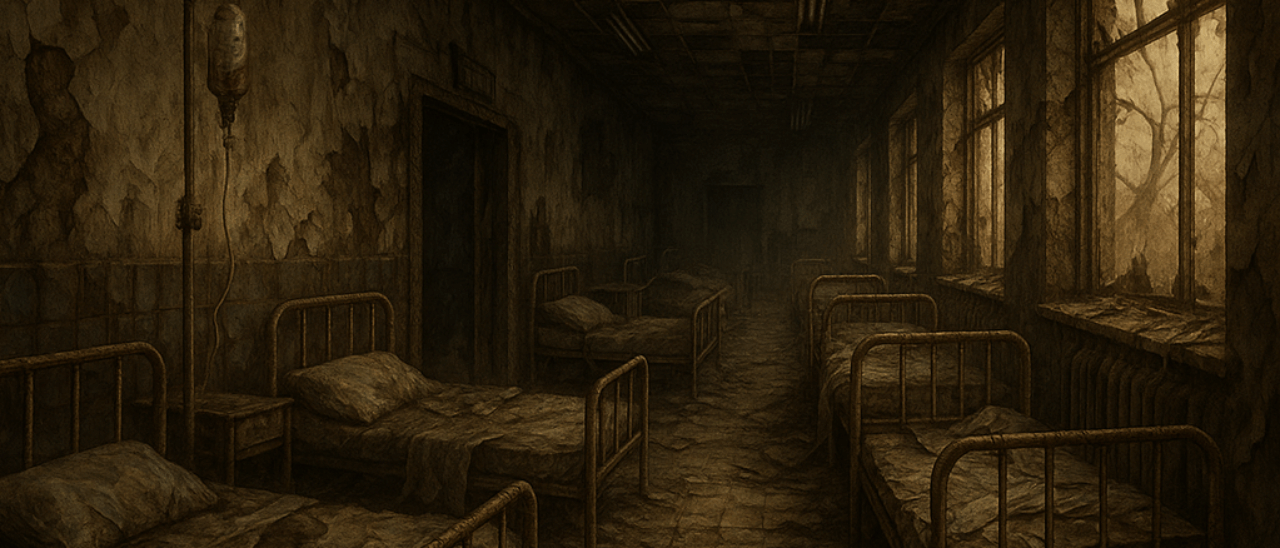
PTSD explains.
It does not excuse.
That’s called adulthood. ▌
 There’s a sentence that makes people uncomfortable:
PTSD explains behavior. It does not excuse it.
Both halves matter.
Trauma changes the brain. That isn’t weakness. That isn’t politics. That isn’t opinion. It’s neurology. Hypervigilance, emotional flooding, shutdown responses—those aren’t personality defects. They’re adaptations that once kept someone alive.
But adaptation isn’t absolution.
You can understand why you reacted without pretending the reaction caused no harm.
The problem is that society tends to swing to extremes. Either:
-
“It’s trauma, so nothing is your fault.”
-
“You’re using trauma as an excuse.”
Both are lazy.
Most people with PTSD are trying desperately not to hurt others. They are trying to regulate storms that other people don’t even see forming. They are exhausted from self-monitoring. They are painfully aware when they fail.
Accountability and compassion are not opposites.
You can say:
-
“That reaction came from trauma.”
-
“That reaction wasn’t okay.”
-
“I am still responsible for repairing what I can.”
That’s maturity.
PTSD explains the spark.
It doesn’t justify the wildfire.
And learning the difference—that’s where growth lives. ▌
This post is part of the Notes From the Wasteland series.